For users
Separate staff drinking, guest service, hot water and beverage preparation before choosing equipment.
Catering drinking water solution
Staff drinking water, guest service, hot-water access and beverage preparation can have different needs. Review the workflow and site conditions before deciding whether one or several equipment categories are appropriate.
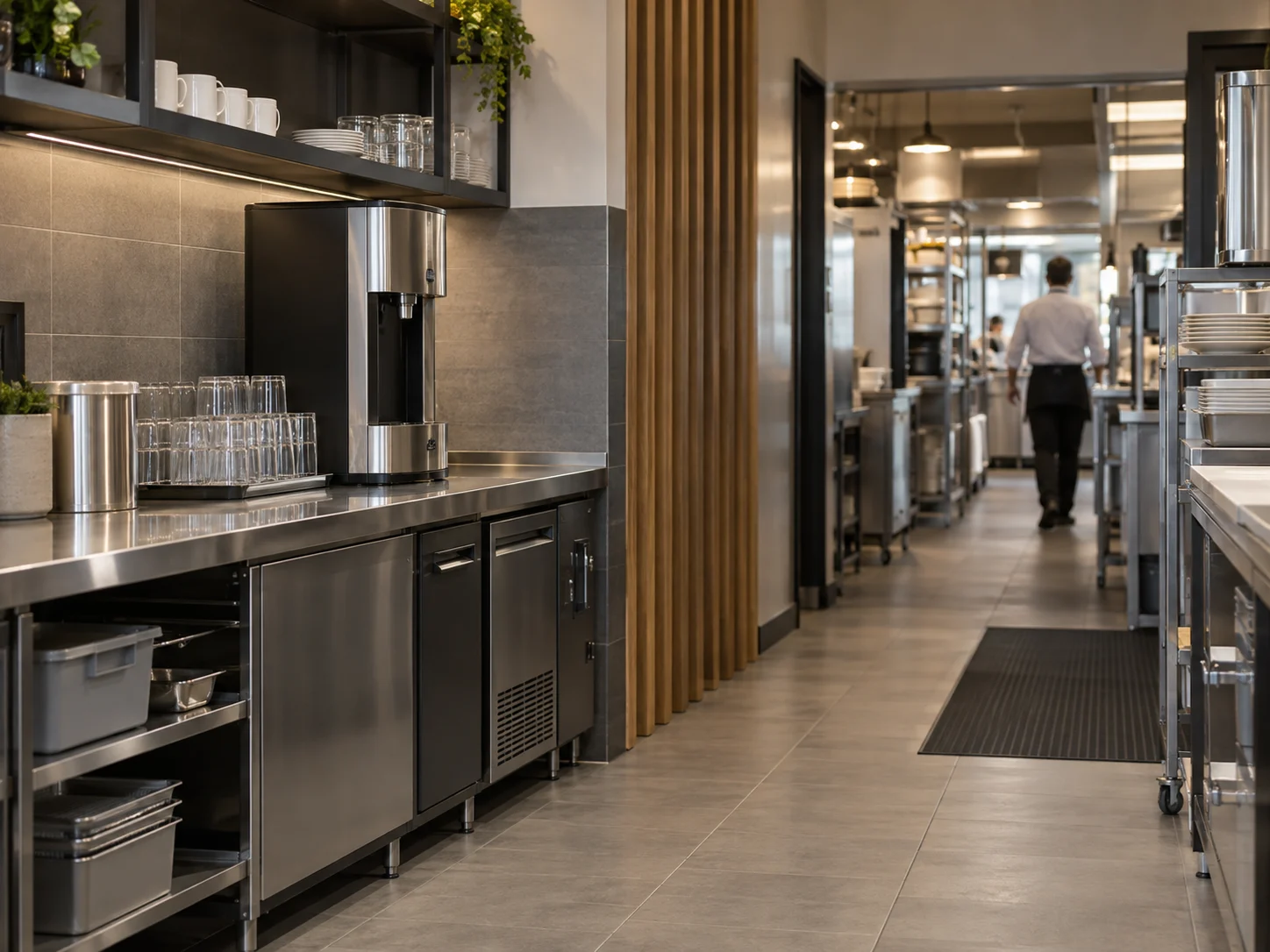
Employees and kitchen teams use water during service; operators and purchasing staff decide requirements; the person responsible for facilities coordinates space, utilities, cleaning and maintenance windows.
Separate staff drinking, guest service, hot water and beverage preparation before choosing equipment.
Review available space, water and drainage conditions, cleaning routines and service windows.
Review opening hours, meal periods and the tasks using each point. A busy window matters more than a daily total alone.
Decide whether a point is for staff drinking, guest drinking or another defined purpose before choosing a category.
Confirm the intended use and product information; do not assume a drinking-water appliance is suitable for every kitchen or beverage process.
Check work surfaces, circulation, drainage where required, cleaning access and when maintenance can happen without disrupting operations.
A practical review identifies the users, task, service window and site conditions for each proposed point before it selects equipment.
Describe staff or guest drinking, hot-water access and beverage-preparation needs separately.
Check footprint, water source, power, drainage, cleaning, pipe routes and safe access during business hours.
Confirm filter type, cleaning responsibility, replacement access and workable service windows.
The categories below are discussion starting points. Confirm the selected equipment, configuration, intended use and local service conditions before ordering. Food-service certification or process-water suitability is not implied.
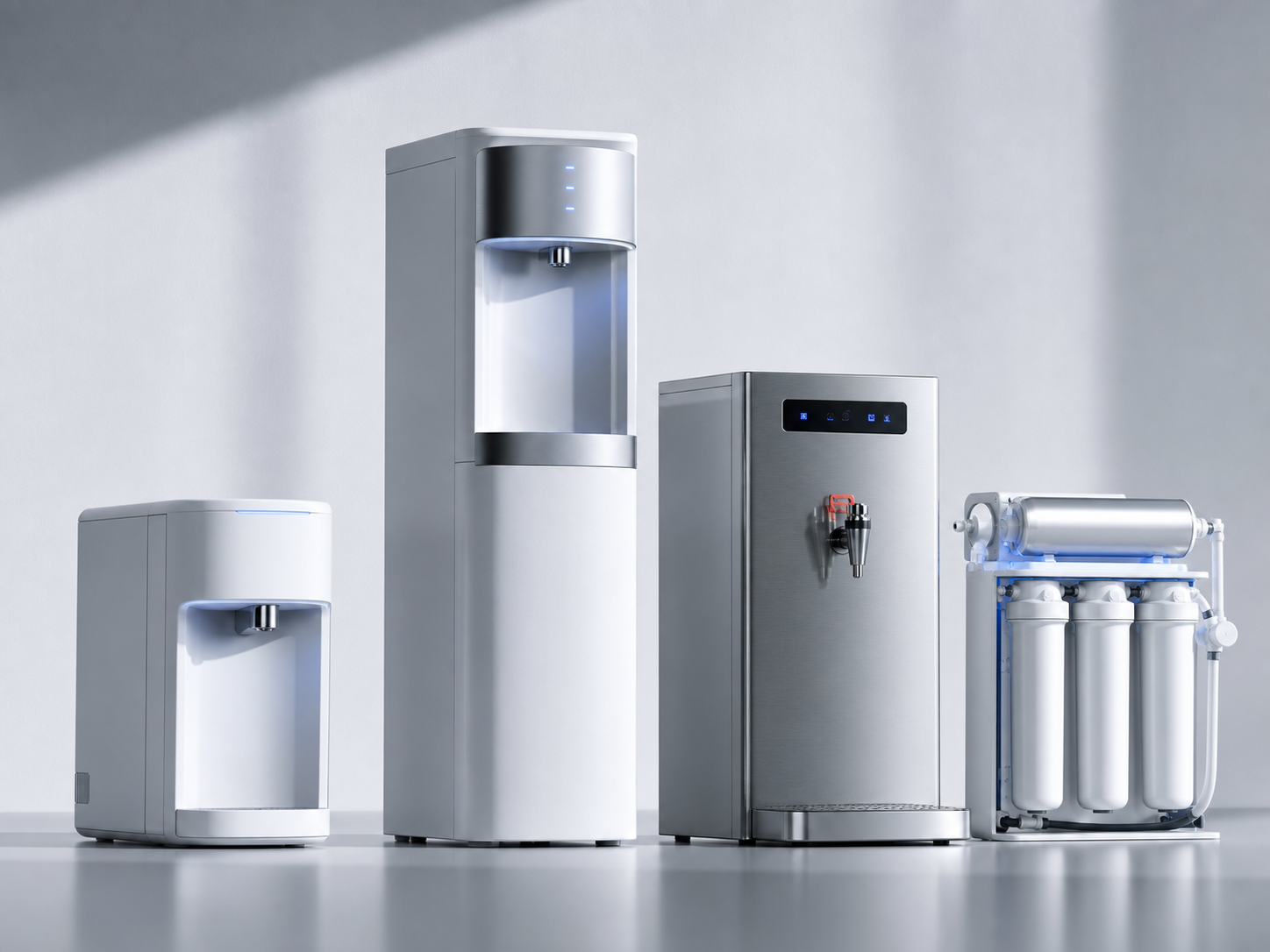
Staff or guest drinking point
Consider for a defined drinking-water point where the footprint, water options and service access fit the location; verify actual use and configuration first.
Plan an accessible drinking point without treating it as process equipment for food or beverage preparation.
Hot-water category
Review when a separate hot-water point is required, subject to the published product information, site utilities and the operator's procedures.
Assess hot-water access separately from staff drinking and beverage-making requirements.
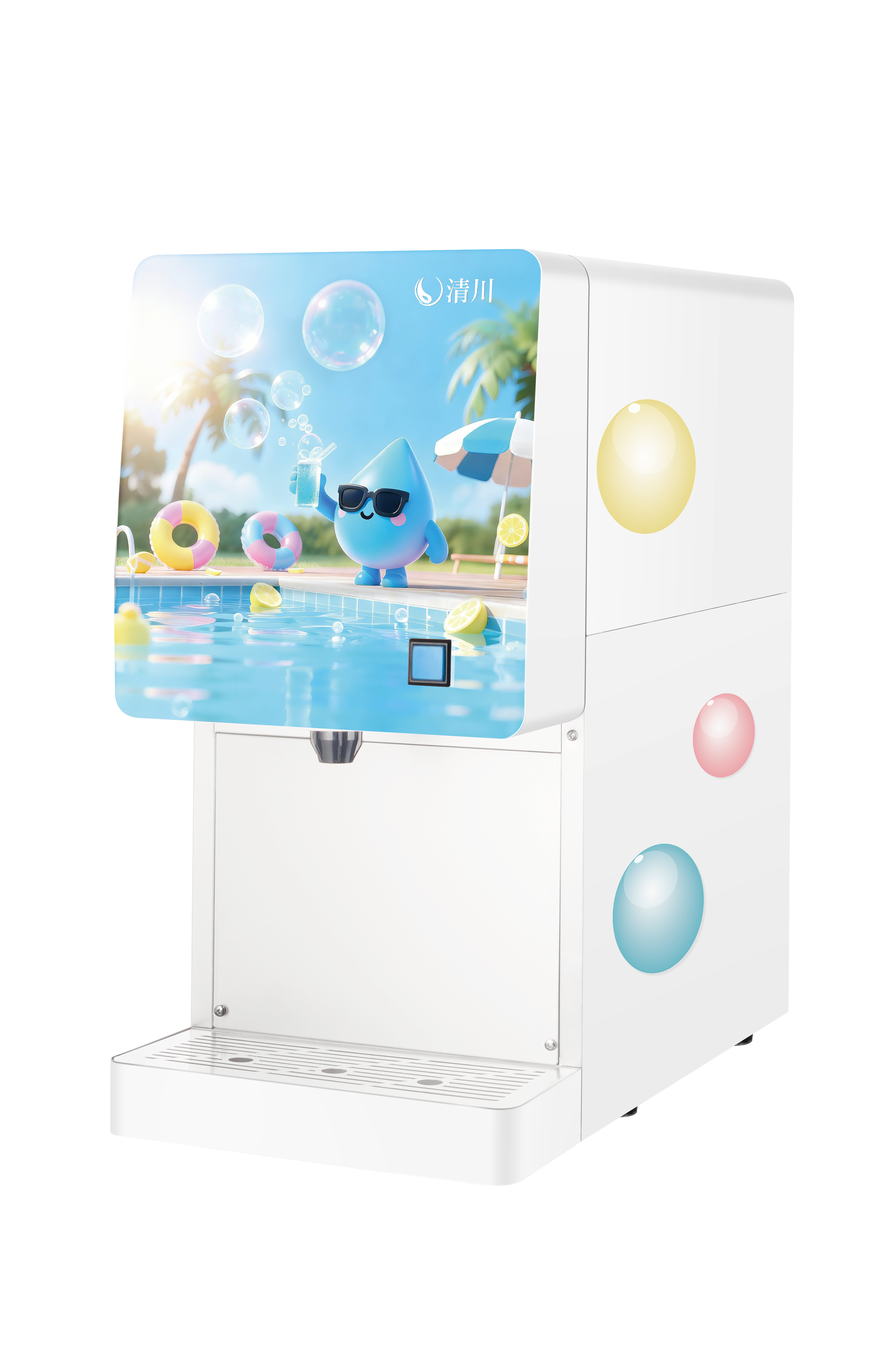
Specialist guest or beverage-service option
Consider only for a confirmed sparkling-water use. Verify equipment details, CO₂ supply and regional support for the location; no delivery arrangement is assumed.
Keep a specialist sparkling-water requirement separate from ordinary drinking-water points.
Published category routes support product exploration. Verify the exact model, intended use, configuration and service availability; no food-sector certification, output rate or water-quality result is claimed.
Published drinking-water, hot-water and sparkling-water categories help keep distinct requirements separate.
Water, power, any drainage, operating clearances and cleaning access should be confirmed at the installation site.
CO₂ arrangements for sparkling equipment and ongoing support depend on the product and destination; confirm before purchase.
For equipment orders in mainland China, the published standard policy includes nationwide free on-site installation; filters and parts are excluded. Extra pipework, drainage, drilling and other water or electrical work may be charged separately. Overseas scope and any CO₂ support must be confirmed for the destination.
Review installation and maintenance serviceSeparate staff drinking, guest drinking, hot-water access and beverage-preparation needs. Confirm each intended use against the published product information before selecting a category.
Describe opening hours, meal peaks, users, tasks and existing queues. The team can review these conditions without assuming an output rate or universal capacity.
Review the footprint, work and circulation routes, water, power, drainage if needed, cleaning access and equipment service clearance.
Confirm source-water conditions and the selected equipment's published options. Filter configuration and maintenance depend on the actual product and site.
Assign cleaning and filter-care responsibility, confirm access and replacement arrangements, and agree a service window around business hours.
Confirm that sparkling water is a defined guest or beverage-service need, then verify the product, CO₂ supply arrangement and regional support before ordering.
Map use, locations, utilities and service access.
Commercial drinking-water installation requirementsReview installation prerequisites for the site.
Commercial and home sparkling-water machinesReview when a specialist sparkling-water direction may fit.
Drinking-water system maintenancePlan upkeep around the selected equipment.
catering
Share who will use each point, the work it supports, site utilities and the location. The team can review suitable categories, installation and local service conditions.